Stainless steel vs gold-plated brass vs solid gold: which is best?
By Atelier Olah · · Last updated
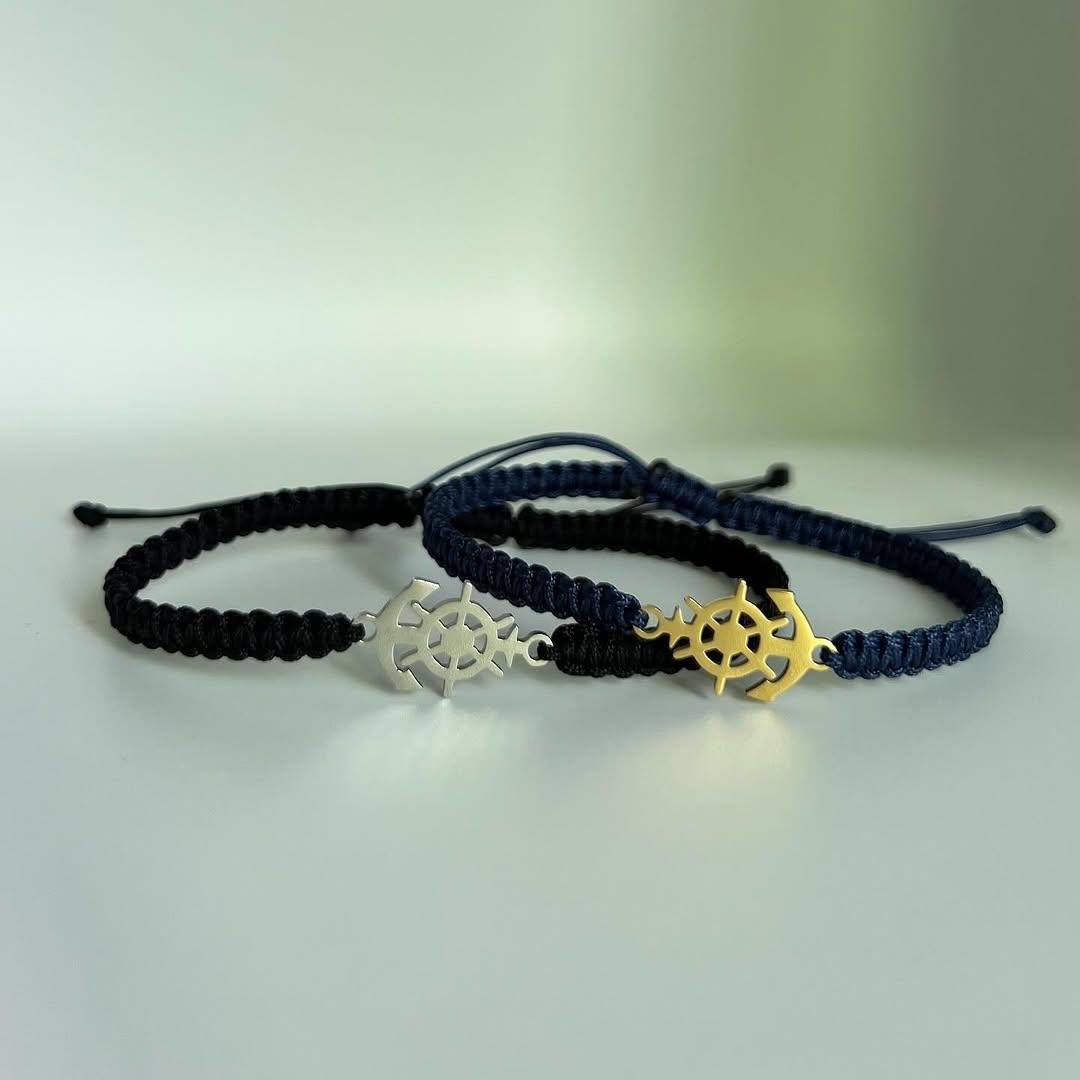
The three options, compared
Most gold-tone jewelry on the market is one of three things: solid gold, gold-plated brass, or plated stainless steel. They look similar in a product photo and age completely differently on a wrist. This is the comparison every buyer should see before paying.
| Criterion | Plated stainless steel | Gold-plated brass | Solid gold (14–18k) |
|---|---|---|---|
| Daily durability | Excellent. Survives gym, sea and friction | Poor. Plating wears through in 3–12 months | Good. Soft metal that scratches but never loses color |
| Tarnish / fading | None. Steel does not oxidize, zero polishing | Tarnishes once the thin layer breaks | None. Gold is inert |
| Water & sweat | Swim-safe | Avoid water entirely | Water-safe (mind chlorine) |
| Sensitive skin | Hypoallergenic | Often reactive (nickel, brass) | Generally safe at 14k+ |
| Typical price | Accessible | Very low | €500 and far upward |
| Resale value | None. The value is in the wearing | None | Holds melt value |
Plated stainless steel
Best for everyday wear, sensitive skin, swimmers, and anyone who never takes their jewelry off.
Gold-plated brass
Best for a single occasion on a tight budget. Not daily wear.
Solid gold
Best for heirloom investment, when the metal itself is the point.
Why the maison chose steel
Olah works in gold- and silver-plated stainless steel because its pieces are made for real life (the sea, the city, the years) and to be given onward still intact. If you want the metal to be the investment, buy solid gold, and we say so plainly. If you want the object and its symbol to last without ceremony, steel is the honest answer.